
Notes from Bloom
What Is Trauma? Understanding Trauma, Its Effects, and the Healing Process
Trauma & PTSD Therapy
Written by Danny Trip, LMSW
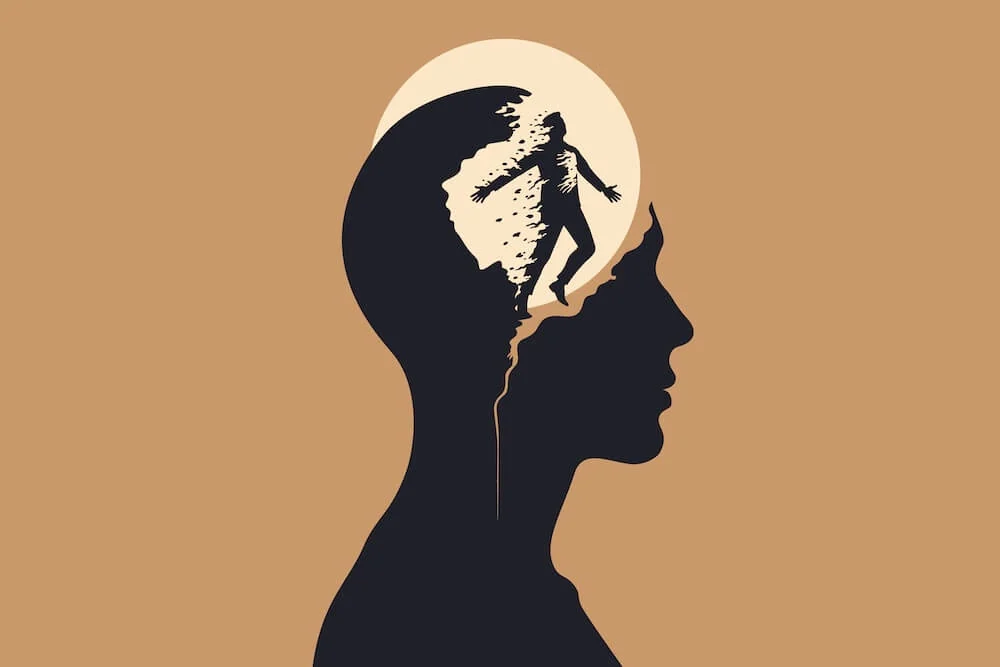
Trauma can result from painful, frightening, harmful, or overwhelming experiences and can affect how a person sees themselves, other people, and the world around them.
Trauma does not look the same for everyone. People can experience different emotional, physical, and behavioral reactions, and experiencing trauma does not necessarily mean someone has Post-Traumatic Stress Disorder (PTSD) or another mental health diagnosis.
Understanding what trauma is, how people may respond to it, and how trauma can be addressed in therapy can make the healing process feel less confusing.
What Is Trauma?
Trauma can change your worldview and perspective following a distressing or overwhelming experience.
Trauma has become much more openly discussed, which has helped normalize experiences and reactions that people may have previously struggled to understand. At the same time, as the word “trauma” has become more common, its meaning can sometimes become unclear.
People respond differently to difficult experiences. An event that has a lasting effect on one person may affect another person differently. What matters in therapy is not simply attaching the word “trauma” to an experience, but understanding what happened, how you responded, and whether that experience continues to affect your life.
Therapy can provide a place to process traumatic experiences, understand how they may be affecting you now, and decide where you want to go next.
What Does Trauma Look Like?
Trauma can affect people in many different ways. Some common reactions may include anxiety or fear, depression, avoidance, feeling disconnected or numb, difficulty concentrating, changes in sleep, irritability, or feeling constantly on alert.
However, there is no single set of reactions that everyone experiences. One person may notice several changes after a traumatic experience, while another may experience only one or two. Some reactions may happen immediately, while others may become more noticeable over time.
Trauma can affect thoughts, emotions, behaviors, relationships, and even how someone responds physically to certain situations. This is part of what can make trauma difficult to recognize. A person may know that something feels different without immediately connecting those changes to an experience from their past.
There can also be overlap between trauma-related symptoms and concerns such as anxiety and depression. Therapy can provide a place to explore those patterns without assuming that every symptom has the same cause.
As you begin to better understand your thoughts, emotions, reactions, and patterns, a therapist can help you explore how they developed, how they may be affecting your life today, and what changes might help you move forward.
A trauma-informed therapist does not need to assume that every client has experienced trauma. Instead, trauma-informed care recognizes that traumatic experiences may be part of a person's history and considers that possibility when understanding their symptoms, behaviors, boundaries, and needs.
What Are “Big T” and “Little t” Traumas?
You may hear traumatic experiences described as “Big T” trauma and “little t” trauma. These are informal terms sometimes used to help describe different kinds of distressing experiences. They are not official diagnostic categories, and one type of experience is not necessarily more important or deserving of attention than another.
Big T trauma generally refers to events that involve serious threats to a person's safety or well-being. Examples may include serious accidents or injuries, violence, abuse, war, natural disasters, or the traumatic loss of someone close to you.
Little t trauma is commonly used to describe distressing experiences that may not involve the same immediate threat but can still disrupt a person's sense of safety, stability, relationships, or ability to cope. Examples might include the end of a significant relationship, losing a job, ongoing financial difficulties, bullying, rejection, or other major life disruptions.
The distinction can be useful for understanding that an experience does not have to look dramatic from the outside to have a meaningful effect on someone.
At the same time, trauma is not determined simply by placing an event into a “Big T” or “little t” category. People can respond very differently to similar experiences. What matters in therapy is understanding how an experience affected you, what meaning you made from it, and whether its effects are continuing to influence your life.
How Do I Know If I Have Trauma?
Experiencing trauma and having a mental health diagnosis related to trauma are not necessarily the same thing. A person can be affected by a distressing experience without meeting the criteria for Post-Traumatic Stress Disorder (PTSD) or another diagnosable condition.
Mental health professionals use established diagnostic criteria to evaluate conditions such as Post-Traumatic Stress Disorder (PTSD) and Adjustment Disorders. A therapist can talk with you about your experiences and symptoms and help determine whether they fit the criteria for a particular diagnosis.
You may also hear the term Complex Post-Traumatic Stress Disorder (C-PTSD), particularly when discussing the effects of prolonged or repeated traumatic experiences. C-PTSD is not currently a separate diagnosis in the DSM-5-TR, although it is recognized as a diagnosis in another major diagnostic system, the ICD-11.
A diagnosis can sometimes help provide language for understanding what you are experiencing and guide treatment, but you do not necessarily need a diagnostic label before you can begin addressing symptoms that are affecting your life.
If you notice that a past or ongoing experience continues to affect your emotions, relationships, thoughts, behaviors, sense of safety, or ability to cope, those concerns are worth discussing with a therapist.
The focus of trauma therapy is not simply finding the right label. It is understanding what you are experiencing, developing ways to cope with difficult reactions, and working toward the changes and goals that are important to you.
What Kind of Therapy Helps Trauma?
There is no single type of therapy that is the right choice for every person who has experienced trauma. Trauma therapy should take into account the person, their experiences, their symptoms, their goals, and what they are ready to work on.
There are several therapeutic approaches specifically used to address trauma and trauma-related symptoms. These may include Eye Movement Desensitization and Reprocessing (EMDR) and Cognitive Processing Therapy (CPT). Therapists may also incorporate approaches such as Internal Family Systems (IFS), somatic approaches, narrative therapy, art therapy, or other forms of talk therapy depending on their training and the client's needs.
The name of the therapy approach is only one part of the decision. Each person is different, each therapist is different, and each experience with trauma is different.
You can ask your therapist what approaches they use, why they believe a particular approach may be helpful, and what you can expect from treatment. You should also be able to talk with your therapist if an approach does not feel helpful or if you have concerns about the direction of therapy.
Ultimately, trauma therapy should not feel like forcing every client through the same process. The goal is to find an approach that helps you better understand what you are experiencing, develop ways to cope with difficult reactions, and work toward the goals that matter to you.
How Long Until My Trauma Is Healed?
There is no set timeline for healing from trauma. As hard as that may be to hear, therapy cannot provide one answer for how long the process will take.
For some people, meaningful changes may happen relatively quickly. For others, working through the effects of trauma may take months or longer. The timeline can depend on many things, including what you experienced, how it is affecting you now, what is happening in your life, your goals for therapy, and the type of support you need.
Healing also does not necessarily mean forgetting what happened or reaching a point where an experience no longer matters. For some people, progress may mean understanding their reactions better, developing healthier ways to cope, feeling safer, improving relationships, or having a past experience take up less space in their everyday life.
Therapy provides time, space, support, and education to work toward that process. A therapist is not there to give you all the answers or decide what healing is supposed to look like for you.
Instead, a therapist can act as a sounding board—a place to examine your perspectives, thoughts, emotions, and reactions. From there, you can work toward your own goals with the help, support, and guidance of a trained therapist.
Beginning to Make Sense of Your Experience
Whether you have experienced a specific traumatic event, have been affected by difficult experiences over time, or are simply beginning to question how past experiences may be affecting your life today, you do not need to have everything figured out before talking with a therapist.
Learn about trauma and PTSD therapy at Bloom Wellness Group, with in-person appointments in Bettendorf and online options across Iowa and Illinois.
Notes from Bloom.
Occasional writing on mental health, therapy, and what’s happening at the practice. No pressure, and you can unsubscribe any time.